
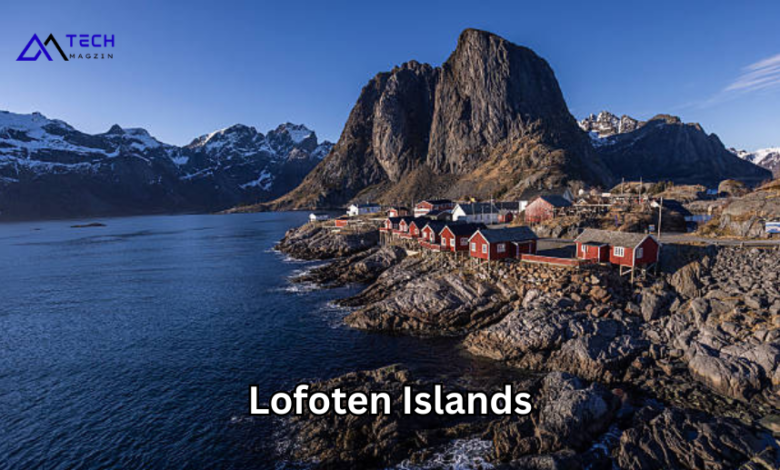
The Lofoten Islands are one of those places that look almost unreal at first glance: sharp mountains rising straight from the sea, red fishing cabins along quiet harbours, white-sand beaches, Arctic light, and small villages that feel far away from busy modern travel. But planning a trip to Lofoten Islands Norway can feel less simple than admiring the scenery online.
Most travellers quickly run into the same questions. How do you get to Lofoten Islands? Is it better to fly, drive, take a ferry, or book a cruise? What is Lofoten Islands weather really like? Is winter worth it? Can you see the northern lights? And if you are travelling from the UK, what is the easiest London to Lofoten Islands route?
This guide answers those questions in a practical way. Instead of only listing attractions, it explains how the islands work as a real destination, when to visit, where to base yourself, what to expect from the weather, and how to plan a Lofoten Islands holiday that feels smooth rather than stressful.
Where Are the Lofoten Islands?
The Lofoten Islands are an archipelago in Northern Norway, above the Arctic Circle. They sit off Norway’s northwestern coast and are known for dramatic mountains, fishing villages, beaches, fjords, and coastal roads.
Visit Norway notes that Lofoten has a milder climate than many places at the same latitude because of the Gulf Stream. It also highlights two major seasonal experiences: the midnight sun between late May and mid-July, and northern lights from September to mid-April.
That combination is what makes the islands unusual. You get Arctic scenery without the extreme cold many people expect from such a northern location. Still, “milder” does not mean predictable. Wind, rain, snow, and sudden changes are part of the experience.
Why Visit the Lofoten Islands?
People visit the Lofoten Islands for nature, but the appeal is not only about scenery. The islands offer a rare mix of wild landscapes and lived-in coastal culture.
You can expect:
- Fishing villages like Reine, Henningsvær, Nusfjord, and Å
- Mountain hikes with sea views
- Scenic drives across bridges and small roads
- Traditional rorbu cabins
- Arctic beaches
- Kayaking and boat trips
- Winter northern lights
- Summer midnight sun
- Lofoten Islands cruise stops and coastal voyages
The best part is the contrast. One hour you may be walking through a quiet harbour, and the next you may be standing below a mountain ridge with open sea on both sides. It feels remote, but not empty.
Best Time to Visit Lofoten Islands
The best time to visit Lofoten Islands depends on the kind of holiday you want. There is no single perfect month because each season gives a very different experience.
Summer: Best for Hiking, Road Trips, and Long Days
Summer, especially June to August, is the most popular time for Lofoten Islands holidays. Days are long, many businesses are open, hiking conditions are easier, and the midnight sun creates extended daylight for exploring.
Local travel guides often describe mid-June to mid-August as the warmest and most active summer period, but they also warn that weather can still be cold, wet, and stormy.
Summer is best if you want:
- Hiking
- Camping or road trips
- Easier driving conditions
- Open restaurants and tours
- Long photography-style days
- A classic Lofoten Islands holiday
The downside is higher demand. Accommodation can sell out early, roads feel busier, and famous villages can become crowded during the day.
Autumn: Best for Fewer Crowds and Northern Lights
September and October are underrated months. You still get some daylight for hiking and sightseeing, but the dark nights return, which means the northern lights become possible again.
Visit Norway says spring and autumn often have strong aurora activity statistically, especially March/April and September/October.
Autumn works well if you want a balanced trip: fewer people, dramatic weather, golden landscapes, and a chance of aurora.
Winter: Best for Snow, Mood, and Northern Lights
Lofoten Islands winter is not for everyone, but it can be unforgettable. The mountains look sharper under snow, villages glow in the dark, and the northern lights can appear on clear nights.
Visit Lofoten explains that because Lofoten is north of the Arctic Circle, summer is too bright for northern lights, while the darker season creates the right conditions. It also notes that northern lights cannot be seen during the bright summer period from mid-April to late August.
Winter is best if your priority is:
- Northern lights
- Snowy landscapes
- Quiet villages
- Cosy cabin stays
- A slower travel pace
The challenge is weather. Flights, ferries, roads, and plans can be affected by wind or storms. Winter travellers need flexibility.
Lofoten Islands Weather: What to Expect
Lofoten Islands weather is changeable in every season. That is one of the most important things to understand before booking.
You might see sunshine, rain, wind, and low cloud on the same day. In winter, snow and icy roads can affect travel. In summer, you can still get cold rain even when the calendar says July.
A practical way to plan is to avoid building your trip around one perfect-weather activity. Instead, create a flexible plan:
- Keep 2–3 possible hiking days instead of one fixed day.
- Stay at least four nights if you can.
- Book important transport with buffer time.
- Do not schedule your tightest connection after a ferry.
- Pack for wind and rain even in summer.
One unique insight many first-time visitors miss: in Lofoten, weather does not only affect comfort. It affects logistics. A windy day can change ferry plans, driving confidence, hiking safety, cruise timing, and whether you see the aurora.
How to Get to Lofoten Islands
Getting to Lofoten is part of the adventure. There is no single route that suits everyone, so the best option depends on your budget, time, comfort level, and whether you want a car.
Flying to Lofoten Islands
The main airport options for Lofoten include smaller local airports such as Svolvær Airport and Leknes Airport. Avinor lists both as active airports with flight services and traveller information.
Many travellers also use Bodø Airport or Harstad/Narvik Airport Evenes as larger access points. From there, they connect onward by ferry, car, bus, or regional flights.
Visit Lofoten states that Norwegian offers direct year-round flights from Oslo Gardermoen to Bodø and Harstad/Narvik Airport Evenes, with onward options involving Widerøe for Lofoten connections.
Oslo to Lofoten Islands
For many international travellers, the easiest route is:
- Fly to Oslo.
- Fly from Oslo to Bodø or Evenes.
- Continue to Lofoten by ferry, car, bus, or regional flight.
If you want a scenic arrival, Bodø plus the ferry to Moskenes is a popular choice. If you want more direct road access, Evenes can be useful, especially if renting a car.
London to Lofoten Islands
For UK travellers, there is usually no simple direct London to Lofoten Islands route all the way into the islands. A common route is London to Oslo, then Oslo to Bodø or Evenes, followed by a ferry, car, bus, or local flight.
Norwegian’s UK page for Bodø states that it flies from London to Bodø via Oslo.
For a Lofoten Islands holiday package from the UK, the main value is convenience. Packages may combine flights, hotels, transfers, cruises, or guided activities. Independent travel is often more flexible, but packages reduce planning stress.
Lofoten Islands Airport Options
When people search “Lofoten Islands airport,” they are usually trying to understand which airport is closest or easiest.
Here is the simple version:
- Svolvær Airport: Useful for eastern Lofoten and Svolvær area.
- Leknes Airport: Useful for central Lofoten and villages like Leknes, Ballstad, and nearby western routes.
- Bodø Airport: Good for ferry access to Moskenes.
- Harstad/Narvik Airport Evenes: Good for road access from the north/east and rental car trips.
The “best” airport depends on where you stay. If your dream is Reine, Moskenes, or Å, arriving through Bodø and taking the ferry can make sense. If you want Svolvær, Henningsvær, or a wider road trip, Evenes or Svolvær may work better.
Lofoten Islands Cruise: Is It Worth It?
A Lofoten Islands cruise is a good option if you want to experience the coastline without managing every transfer yourself. Cruises to Lofoten Islands Norway often include scenic sailing, village stops, short excursions, and coastal views.
Hurtigruten offers Lofoten excursions that include scenery, Henningsvær, local boutiques, galleries, and historical context.
A cruise is best if you want:
- Easier logistics
- Coastal scenery
- Short guided stops
- A relaxed travel style
- A taste of Lofoten without a full road trip
However, a cruise is not the same as staying on the islands. If you want sunrise walks, flexible hikes, quiet evenings, or multiple villages at your own pace, land-based travel gives more freedom.
Lofoten Islands Map: How to Understand the Area
A Lofoten Islands map can look confusing at first because the islands stretch across bridges, fjords, villages, and coastal roads. The easiest way to think about the region is east to west.
The main travel flow often runs from Svolvær and Henningsvær in the east toward Leknes, then further west toward Ramberg, Reine, Moskenes, and Å.
For planning, divide your trip like this:
- Eastern Lofoten: Svolvær, Henningsvær, Kabelvåg
- Central Lofoten: Leknes, Ballstad, Nusfjord, Unstad
- Western Lofoten: Reine, Hamnøy, Sakrisøy, Moskenes, Å
A useful planning insight: do not base your whole trip only on what looks famous. Reine is beautiful, but staying there for your entire trip can make some eastern activities feel far away. If you have five or more nights, splitting your stay between east/central and west Lofoten can save driving time.
Lofoten Islands Northern Lights
The Lofoten Islands northern lights season generally runs through the darker part of the year. Visit Norway says northern lights in Lofoten can be viewed from September to mid-April.
But seeing them is never guaranteed. You need three things:
- Dark skies
- Clear weather
- Aurora activity
Many travellers only focus on aurora forecasts, but clouds are often the bigger issue in Lofoten. A strong aurora does not help if the sky is completely covered.
For better chances:
- Stay several nights.
- Avoid full-moon-only thinking; cloud cover matters more.
- Choose accommodation away from strong local lights.
- Keep your evenings flexible.
- Be ready to move if the sky clears in another area.
Lofoten Islands Holiday: How Many Days Do You Need?
For a satisfying Lofoten Islands holiday, aim for at least four to seven days.
A short trip of two or three days can work, but it becomes vulnerable to bad weather. If one day is stormy and another is travel-heavy, you may leave feeling like you barely experienced the place.
A good first-time plan:
- 3 days: Quick highlights, one base, limited flexibility
- 5 days: Better balance of villages, scenery, and weather buffer
- 7 days: Strong option for road trips, hikes, and slower travel
- 10+ days: Best for deeper exploring, photography, remote areas, and seasonal activities
The biggest mistake is trying to see everything too quickly. Lofoten rewards slower travel. Short distances on the map can take longer because you will stop often, roads are narrow in places, and weather can change your pace.
Common Mistakes to Avoid
Booking Too Late
Accommodation in summer and peak winter periods can fill quickly. Traditional cabins and well-located stays are limited, so early booking matters.
Underestimating Travel Time
Getting to the islands takes effort. Flights, ferries, car rentals, and weather buffers should be planned carefully.
Planning Only Outdoor Activities
Hiking is amazing, but the weather may not cooperate. Add flexible indoor or low-effort options such as cafés, fishing villages, museums, galleries, short walks, and scenic drives.
Staying in Only One Place for Too Long
One base can work, but if your stay is longer, splitting locations may reduce driving fatigue.
Expecting Guaranteed Northern Lights
Lofoten is a strong northern lights destination, but nature does not follow a schedule. Treat aurora as a bonus, not the only purpose of the trip.
Practical Tips for First-Time Visitors
- Rent a car if you want flexibility.
- Pack waterproof layers, even in summer.
- Choose your base based on your main activities.
- Keep your first and last travel days simple.
- Add buffer time before flights.
- Check ferry and road conditions close to travel.
- Book popular accommodation early.
- Stay longer if northern lights are a major goal.
- Do not chase too many places in one day.
One less common insight: Lofoten is not difficult because it is huge. It is difficult because the best moments are weather-sensitive. A good plan leaves space for chance.
FAQs
How do you get to Lofoten Islands from the UK?
Most UK travellers fly from London to Oslo, then connect to Bodø or Harstad/Narvik Airport Evenes. From Bodø, you can continue by ferry toward Moskenes, while Evenes works well for road access with a rental car. Some travellers also use regional flights into Svolvær or Leknes.
What is the best time to visit Lofoten Islands?
Summer is best for hiking, road trips, midnight sun, and easier travel. Winter is best for snow-covered scenery and northern lights. Autumn and early spring are good for fewer crowds, dramatic weather, and aurora chances.
Can you see the northern lights in Lofoten Islands?
Yes, the Lofoten Islands are a good place to see the northern lights during the darker months, usually from September to mid-April. You still need clear skies and aurora activity. Staying several nights gives you a much better chance than a one-night visit.
Is a Lofoten Islands cruise better than a road trip?
A cruise is easier and more relaxed because transport and stops are organised for you. A road trip gives more freedom, especially if you want to stay in villages, hike, or explore at your own pace. The better choice depends on whether you value convenience or flexibility more.
Which airport is best for Lofoten Islands?
Svolvær and Leknes are the local Lofoten airports, while Bodø and Evenes are common larger access points. Bodø is useful if you want to take the ferry to Moskenes. Evenes is often practical for road trips and car rental access.
Is Lofoten Islands winter worth visiting?
Yes, winter is worth visiting if you enjoy snowy landscapes, quiet villages, cosy stays, and northern lights. It is not ideal if you want easy hiking, long daylight, or predictable weather. Winter trips need flexible planning and extra travel buffer time.
Conclusion
The Lofoten Islands are one of Norway’s most memorable destinations, but they are best enjoyed with realistic planning. The scenery is spectacular, yet the weather, transport, season, and base location can shape your whole experience.
For summer, plan around hiking, road trips, midnight sun, and early accommodation bookings. For winter, focus on slower travel, northern lights, snowy villages, and flexible timing. If you are travelling from the UK, expect at least one connection through Oslo, Bodø, or Evenes. If you prefer convenience, a Lofoten Islands cruise or holiday package may suit you better than arranging every detail yourself.
The real secret is not trying to “complete” Lofoten. Give yourself time, leave space for weather changes, and let the islands unfold slowly. That is when Lofoten feels less like a checklist and more like the Arctic escape people remember for years.
