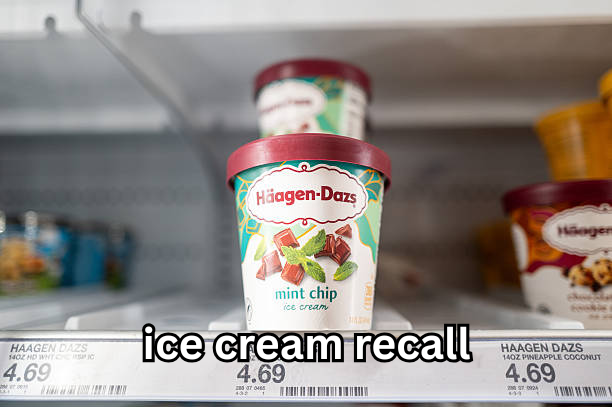
What Is an Ice Cream Recall?
An ice cream recall is a voluntary or government-supervised action that removes potentially unsafe frozen dessert products from stores and consumers. Manufacturers usually initiate recalls after discovering a problem during quality testing, customer complaints, or inspections.
Common reasons include:
- Possible bacterial contamination such as Listeria monocytogenes
- Undeclared allergens like peanuts, tree nuts, milk, soy, or eggs
- Foreign materials entering production
- Incorrect packaging or labeling
- Manufacturing equipment issues
A recall does not necessarily mean every product from a brand is unsafe. Most recalls affect only specific production dates, flavors, batch numbers, or manufacturing facilities.
Why Ice Cream Recalls Matter
Many people assume freezing kills bacteria, but that’s a common misconception.
Freezing slows bacterial growth, yet certain bacteria—including Listeria monocytogenes—can survive in frozen foods. That’s why contaminated ice cream can still pose health risks even after months in a home freezer.
People at higher risk include:
- Pregnant women
- Older adults
- Young children
- Individuals with weakened immune systems
For healthy adults, symptoms may be mild, but vulnerable individuals can experience serious complications requiring medical treatment.
Unique Insight: Your Freezer Can Preserve the Risk
One fact many consumers don’t realize is that freezing preserves the product exactly as it was when purchased. If contamination occurred during manufacturing, storing the ice cream longer doesn’t make it safer. A recalled product remains recalled regardless of how long it has been frozen.
Common Reasons Behind Ice Cream Recalls
Although every recall is different, most fall into a handful of categories.
1. Possible Listeria Contamination
Listeria is among the most common reasons frozen dessert recalls receive widespread attention.
Manufacturers may discover contamination through:
- Routine environmental testing
- Finished product testing
- Supplier ingredient testing
- Regulatory inspections
Even without confirmed illnesses, companies often issue precautionary recalls to protect consumers.
2. Undeclared Allergens
Food allergies affect millions of people.
If an ice cream package fails to disclose ingredients such as peanuts or tree nuts, even a small serving could trigger a serious allergic reaction.
Common undeclared allergens include:
- Milk
- Peanuts
- Tree nuts
- Soy
- Wheat
- Eggs
3. Packaging Errors
Sometimes the ice cream itself is safe, but incorrect packaging creates confusion.
Examples include:
- Wrong flavor inside the container
- Incorrect ingredient list
- Missing allergy warning
- Wrong nutrition label
4. Manufacturing Problems
Equipment failures or sanitation issues occasionally lead manufacturers to recall products before widespread distribution.
These recalls demonstrate that food safety monitoring continues throughout the manufacturing process rather than ending once products leave the factory.
Understanding the Jeni’s Ice Cream Recall
The jeni’s ice cream recall attracted significant public attention because Jeni’s is known for premium artisan ice cream.
Whenever a company like Jeni’s announces a recall, consumers should avoid assuming every product is affected. Instead, check the specific recall notice carefully. Most recalls identify:
- Product names
- Package sizes
- Production dates
- Lot numbers
- Best-by dates
- Distribution areas
Manufacturers typically provide instructions explaining whether customers should discard the product or return it for a refund.
Practical Tip
If you regularly purchase premium ice cream, keep the container until you’ve finished the product. Many people throw away packaging immediately, making it difficult to verify lot numbers if a recall is announced later.
Blue Bell Ice Cream Recall: Why It Became So Well Known
The blue bell ice cream recall remains one of the most widely discussed food recalls in the frozen dessert industry.
It demonstrated how contamination concerns can affect both consumers and manufacturers. The event also encouraged many ice cream producers to strengthen sanitation procedures, expand environmental testing, and improve production monitoring.
One lasting lesson for consumers is that trusted brands are not immune to recalls. Food safety depends on continuous monitoring rather than brand reputation alone.
Aldi Cheeky Monkey Ice Cream Recall Explained
Consumers also searched extensively for information about the aldi cheeky monkey ice cream recall after reports involving certain frozen dessert products.
Like most retailer-related recalls, only designated products were involved. Store-brand recalls typically identify:
- Exact flavor
- Package size
- Manufacturing codes
- Purchase timeframe
Shoppers should compare every detail rather than relying only on the product name.
Gianni’s Cheeky Monkey Ice Cream Recall
Questions surrounding the gianni’s cheeky monkey ice cream recall highlight another important point: retailers often sell products manufactured by third-party facilities.
That means consumers should always identify the specific recalled batch instead of assuming every Gianni’s product is affected.
Unique Insight: Retailers and Manufacturers Are Often Different Companies
Many supermarket ice creams are produced by large manufacturers and packaged under private-label brands. When a manufacturing issue occurs, multiple store brands may be affected simultaneously even though they have different labels. Understanding this relationship helps explain why several seemingly unrelated products sometimes appear in the same recall announcement.
Aldi Ice Cream Recall: What Shoppers Should Know
An aldi ice cream recall can involve one product, multiple flavors, or even products supplied by outside manufacturers.
If you’ve recently shopped at Aldi:
- Check your freezer.
- Compare product details with the official recall information.
- Verify the lot code.
- Follow the recommended disposal or return instructions.
Avoid relying solely on social media posts, as they often circulate outdated recall information long after affected products have been removed from stores.
Ice Cream Recall Wells Enterprises: Understanding Manufacturer Recalls
The phrase ice cream recall Wells Enterprises often appears because Wells Enterprises manufactures numerous frozen dessert products sold under different brand names.
When a manufacturer issues a recall, it may affect products distributed to:
- National grocery chains
- Regional supermarkets
- Convenience stores
- Wholesale retailers
This is why recall notices often list multiple brands alongside the same manufacturing facility. Consumers should focus on the product details rather than assuming every item produced by the company is unsafe.
Tropicale Foods Ice Cream Recall
The tropicale foods ice cream recall drew attention because Tropicale Foods produces a variety of frozen desserts sold across different markets. As with other recalls, the affected products were identified by specific production information rather than the entire product line.
For consumers, the safest approach is to review the product name, lot code, and expiration or best-by date before deciding whether a product is part of a recall. This prevents unnecessary waste while ensuring potentially affected items are not consumed.
Rich Ice Cream Recall: What Consumers Should Know
The rich ice cream recall is another example of why it’s important to pay attention to official recall announcements instead of relying on rumors or outdated social media posts. Food recalls involving frozen desserts can occur for several reasons, including potential bacterial contamination or labeling concerns.
If a Rich Ice Cream product is recalled, the notice typically includes:
- Product name
- Flavor
- Package size
- UPC code
- Lot number
- Best-by or expiration date
- States or regions where the product was distributed
Always compare every detail on your package before deciding whether your ice cream is affected.
Aldi Ice Cream Recall 2025: How to Stay Updated
Many shoppers search for information about the aldi ice cream recall 2025 after hearing news reports or seeing online discussions. It’s important to remember that recalls are usually limited to specific products and production batches rather than every frozen dessert sold by Aldi.
If you frequently shop at Aldi:
- Save your grocery receipt when possible.
- Keep the original packaging until the product is finished.
- Check product codes if a recall is announced.
- Follow Aldi’s instructions regarding refunds or disposal.
Retailers generally act quickly to remove affected products from store shelves, but products already purchased may still be in consumers’ freezers.
Ice Cream Recall 2024: What to Do
One of the most common searches is ice cream recall 2024 what to do, and the same advice applies whenever a frozen dessert recall is announced.
Step 1: Stop Eating the Product
Even if the ice cream looks, smells, and tastes normal, do not continue eating it if it matches the recall information.
Step 2: Verify the Product Details
Compare:
- Brand
- Flavor
- Container size
- Lot number
- Best-by date
- UPC code
Small differences may mean your product is not part of the recall.
Step 3: Follow Recall Instructions
Manufacturers usually recommend one of two actions:
- Dispose of the product safely.
- Return it to the retailer for a refund or replacement.
Follow the instructions provided in the recall notice.
Step 4: Clean Your Freezer
If contamination such as Listeria is involved, discard the recalled product and clean any surfaces or containers that came into contact with it.
Step 5: Monitor Your Health
If you consumed a recalled product and develop symptoms such as fever, muscle aches, nausea, vomiting, or diarrhea, contact a healthcare professional, especially if you belong to a higher-risk group.
How to Check Whether Your Ice Cream Has Been Recalled
Many people panic after reading a headline, but checking a recall only takes a few minutes.
Use this simple checklist:
- Locate the product container.
- Find the lot number.
- Check the best-by date.
- Compare the package size.
- Confirm the flavor.
- Verify where and when you purchased it.
This careful approach prevents throwing away perfectly safe food while ensuring recalled products aren’t consumed.
Common Mistakes Consumers Make During a Recall
Avoid these common errors:
Assuming Every Product Is Unsafe
Most recalls affect only specific production runs, not every product made by the company.
Throwing Away the Packaging Too Soon
Without the container, identifying lot numbers becomes much more difficult.
Ignoring Mild Symptoms
Some foodborne illnesses begin with symptoms that resemble a common stomach bug. If you’ve eaten a recalled product, pay attention to any unusual illness.
Trusting Unverified Social Media Posts
Old recall notices often resurface online years later. Always verify the publication date and product details before taking action.
Practical Tips for Keeping Your Family Safe
A few simple habits can make food recalls much easier to manage:
- Rotate frozen foods so older products are used first.
- Label homemade freezer containers with purchase dates.
- Store receipts for larger grocery trips.
- Read ingredient labels if someone in your household has food allergies.
- Periodically review food safety alerts from trusted sources.
These habits reduce confusion if a recall is announced weeks or months after purchase.
Unique Insight: Most Recalls Are Preventive
One important fact that isn’t widely discussed is that many recalls are issued before anyone becomes seriously ill. Manufacturers often identify potential problems through routine testing and voluntarily remove products from the market out of caution.
While recalls may seem alarming, they also demonstrate that food safety systems are working as intended by identifying risks early.
Unique Insight: Batch Numbers Tell the Real Story
Consumers often focus on the brand name, but food safety professionals pay close attention to batch numbers and production dates. Two identical-looking containers sitting next to each other in a freezer may have been produced on different days, meaning one could be included in a recall while the other is perfectly safe. Learning how to read lot codes can save both money and unnecessary worry.
Frequently Asked Questions
Is every product included in the Jeni’s ice cream recall unsafe?
No. The jeni’s ice cream recall applies only to products specifically listed in the recall announcement. Always compare your container’s lot number, package size, and best-by date with the official information before discarding it.
Why was the Blue Bell ice cream recall so significant?
The blue bell ice cream recall became well known because it highlighted how food safety issues can affect even highly trusted brands. It also led to stronger sanitation practices and increased awareness of frozen food safety across the industry.
What should I do if I bought an Aldi product during the Aldi ice cream recall 2025?
Check your product’s flavor, size, lot code, and purchase date against the recall notice. If it matches, stop eating it immediately and follow Aldi’s instructions for disposal or a refund.
Can frozen ice cream still contain harmful bacteria?
Yes. Freezing slows bacterial growth but does not necessarily eliminate bacteria such as Listeria monocytogenes. That’s why recalled frozen desserts should never be consumed.
Should I throw away every ice cream from the same brand?
No. Most recalls involve only certain production batches. Verify the product details before deciding whether your ice cream is affected.
Conclusion
An ice cream recall doesn’t mean every frozen dessert on store shelves is dangerous, but it does mean consumers should take product safety seriously. Whether you’ve heard about the jeni’s ice cream recall, blue bell ice cream recall, aldi cheeky monkey ice cream recall, gianni’s cheeky monkey ice cream recall, aldi ice cream recall, ice cream recall wells enterprises, tropicale foods ice cream recall, aldi ice cream recall 2025, ice cream recall 2024 what to do, or the rich ice cream recall, the key is to stay informed and verify the details before taking action.
Checking lot numbers, following recall instructions, and keeping product packaging until the ice cream is finished are simple habits that can help protect your household. Food recalls may be inconvenient, but they are an important part of maintaining a safe food supply. By understanding how recalls work and responding appropriately, you can enjoy your favorite frozen treats with greater confidence while making informed decisions whenever a recall is announced.