Toenails may seem like a small detail, but they often reveal more about your habits and overall foot health than you realize. One common nail shape many people notice is rounded toe nails. For some, this shape has always been present, while for others it develops gradually over time. Although rounded toenails are usually harmless, knowing why they occur and how to care for them properly can help prevent discomfort and future problems.
This article explores rounded toe nails in depth, explaining their causes, care methods, and what they may indicate about your feet.
Introduction: The Importance of Toenail Shape
Toenails grow slowly, responding to pressure, grooming habits, circulation, and lifestyle choices. Because of this, changes in shape or texture often happen gradually. Rounded toe nails are one of the most common growth patterns, and in most cases, they are completely normal.
However, improper nail care or external pressure can exaggerate the curve, sometimes leading to pain or ingrown nails. Understanding the difference between normal rounded nails and problematic ones is essential for maintaining healthy feet.
What Are Rounded Toe Nails?
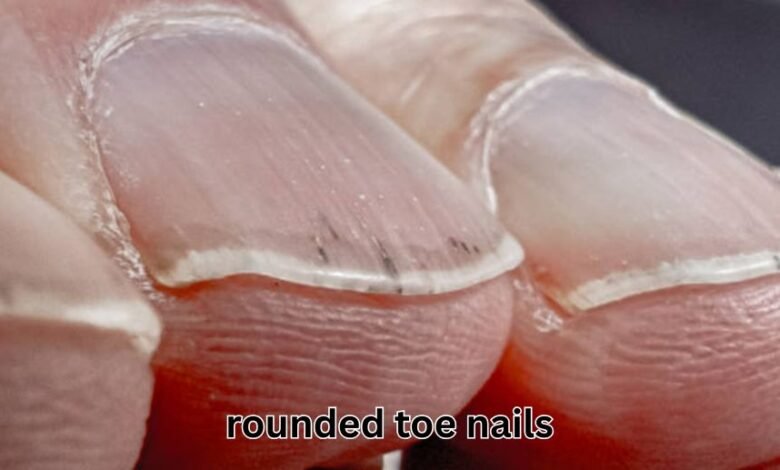
Rounded toe nails are toenails that curve gently along the tip, following the natural contour of the toe. Instead of a straight or square edge, the nail ends in a soft, curved shape. This pattern is frequently seen on smaller toes but may also affect the big toe.
For many individuals, rounded toe nails reflect the natural structure of the nail bed. When the nail bed is slightly curved, the nail plate follows that shape as it grows.
Why Do Rounded Toe Nails Develop?
Several factors influence why toenails grow with a rounded appearance.
Genetics play a major role. If your parents or close relatives have rounded nails, there is a high chance you will too. Nail shape is often inherited.
Nail trimming habits are another important factor. Regularly cutting toenails too short or rounding the edges can train nails to grow in a curved pattern. Over time, the nail adapts to repeated trimming styles.
Footwear pressure also contributes. Tight shoes, narrow toe boxes, or constant friction from footwear can push the nail inward as it grows, encouraging a rounded shape.
Age-related changes can affect nail growth as well. As people age, nails may thicken and curve more due to slower growth and reduced circulation.
In some cases, fungal infections or circulation issues can alter nail structure, making nails appear more rounded or distorted than usual.
Are Rounded Toe Nails a Health Concern?
In most situations, rounded toe nails are completely normal and do not indicate a medical problem. Many people live comfortably with this nail shape without experiencing pain or complications.
Problems may arise when the curve becomes too deep. Excessively rounded nails can increase the risk of ingrown toenails, especially if combined with tight shoes or improper trimming.
The key factor is comfort. If rounded toe nails are painless and easy to manage, they are typically not a cause for concern.
Rounded Toe Nails and Ingrown Nail Risk
One of the most common issues associated with rounded toe nails is ingrown toenails. When the nail curves too much and presses into the surrounding skin, it can cause irritation or inflammation.
Early symptoms include tenderness along the nail edge, mild redness, or swelling. Addressing these signs early with proper trimming and footwear adjustments can prevent infection or worsening pain.
Maintaining the nail’s natural length and avoiding aggressive shaping greatly reduces this risk.
Best Care Practices for Rounded Toe Nails
Proper care can keep rounded toe nails healthy and comfortable.
Toenails should be trimmed straight across, not rounded at the corners. This helps guide the nail to grow forward instead of inward. Avoid cutting nails too short, as this exposes the surrounding skin to pressure.
Using a nail file to gently smooth sharp edges is fine, but excessive filing should be avoided.
Daily foot hygiene is essential. Wash your feet thoroughly, dry them completely, and keep nails clean to prevent infection.
Choosing comfortable footwear is just as important. Shoes with enough space in the toe area allow nails to grow naturally without pressure. Breathable shoes help reduce moisture, which supports nail health.
What Rounded Toe Nails Can Say About Overall Health
While rounded toe nails are usually harmless, sudden changes in nail shape, thickness, or color should be observed carefully.
Thickened, discolored, or brittle nails may signal a fungal infection. Extreme curvature or changes affecting multiple nails could indicate circulation problems or nutritional deficiencies.
A balanced diet rich in essential nutrients supports healthy nail growth and helps maintain strong, well-shaped toenails.
When Professional Help Is Needed
Home care is sufficient for most people, but professional care may be necessary if pain, infection, or recurring ingrown nails develop.
A podiatrist can safely manage nail trimming, treat infections, and recommend solutions based on individual foot structure. Early treatment prevents small issues from turning into chronic problems.
Prevention Tips for Long-Term Nail Health
Preventing nail issues begins with consistency. Trim nails correctly, avoid tight shoes, and allow nails to grow naturally without frequent reshaping.
Inspect your feet regularly for changes, especially if you spend long hours standing or walking. Early attention helps maintain healthy rounded toe nails without complications.
Conclusion: Caring for Your Feet with Confidence
Rounded toe nails are a common and natural nail shape for many people. In most cases, they reflect genetics and everyday habits rather than health problems. With proper care, attention to trimming, and comfortable footwear, rounded nails can remain healthy and pain-free.
Understanding your toenails helps you take better care of your feet overall. At Techmagzin, we focus on providing clear, trustworthy guidance on everyday topics that matter, helping you stay informed and confident in your self-care routines.