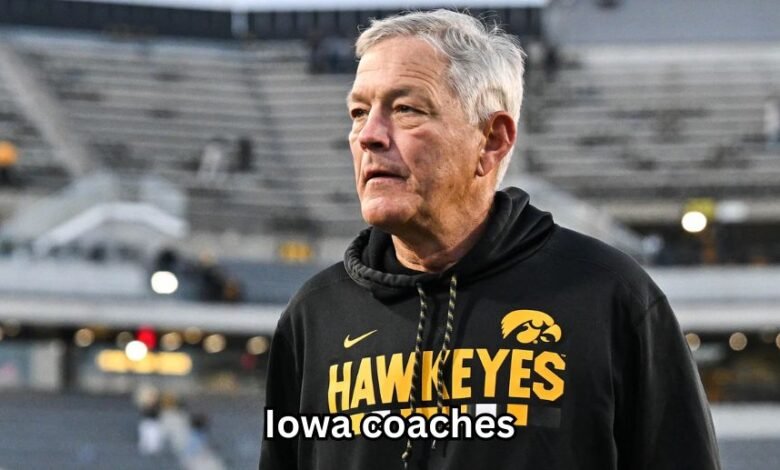
In the heartland of America, Iowa has long been known for its rich tradition in sports, from high school football Friday nights to collegiate athletics that draw national attention. Central to this success are the Iowa coaches—dedicated professionals who not only train athletes but also inspire, mentor, and shape the character of countless young players. Their influence stretches far beyond the scoreboard, impacting communities, schools, and the broader sporting culture of the state.
Iowa coaches are more than instructors; they are leaders, motivators, and role models. Their approach blends strategy, discipline, and encouragement, fostering environments where athletes thrive both on and off the field. Understanding the role of these coaches provides insight into why Iowa consistently produces top-tier talent and competitive teams across a variety of sports.
The Role of Iowa Coaches in High School Sports
High school athletics serve as a cornerstone of Iowa’s sporting identity. From football and basketball to wrestling and track, Iowa coaches dedicate themselves to developing young talent while instilling life skills such as teamwork, perseverance, and sportsmanship.
What sets Iowa coaches apart is their hands-on approach. Many of them grew up in the same communities where they now coach, giving them a unique perspective on local culture and youth development. This familiarity allows them to connect deeply with players, understanding their motivations and challenges both in sports and life.
High school coaches in Iowa often wear multiple hats—organizing training sessions, managing logistics, and even supporting academic achievement. Their commitment goes beyond the game, shaping the character of the athletes they mentor and helping create a foundation for future success in college athletics and beyond.
Collegiate Coaching: A Higher Level of Strategy and Leadership
Iowa is home to several competitive college programs, and its coaches are renowned for their tactical expertise and leadership. Collegiate coaches not only refine athletic skills but also manage recruitment, scouting, and team dynamics at a higher level.
These coaches emphasize discipline, strategy, and performance under pressure. They study game film, design innovative plays, and tailor training programs to maximize each athlete’s potential. Importantly, Iowa college coaches often focus on developing leadership qualities in their players, preparing them to handle both victories and setbacks with grace.
The success of Iowa college teams is a testament to the caliber of coaching in the state. From the University of Iowa to smaller colleges, coaches have built programs that compete at the highest levels while producing athletes who excel academically and socially.
Building Community Through Coaching
Iowa coaches are also pillars of their communities. They foster local pride and engagement, often organizing events, fundraisers, and community outreach initiatives. Their presence extends beyond the field; they inspire local youth to participate in sports, encourage volunteerism, and create a sense of unity through athletic programs.
The mentorship offered by Iowa coaches can have lasting impacts. Many former athletes credit their coaches with teaching them discipline, resilience, and the importance of hard work—lessons that carry into careers, family life, and civic responsibility. This community-centered approach strengthens not only individual players but also the larger social fabric of Iowa towns and cities.
Innovations and Trends Among Iowa Coaches
Modern Iowa coaches are blending tradition with innovation. Many are adopting data-driven strategies, using technology to analyze player performance, track progress, and optimize training. Sports science, nutrition, and mental conditioning have become integral parts of coaching programs, reflecting a holistic approach to athlete development.
At the same time, Iowa coaches remain committed to the human element of coaching. They balance analytics with personal mentorship, understanding that motivation, trust, and team chemistry are just as crucial as statistics and metrics. This combination of old-school dedication and modern techniques has made Iowa coaching a model for athletic programs nationwide.
Challenges and Rewards of Being an Iowa Coach
Coaching in Iowa, as elsewhere, comes with challenges. Balancing time, resources, and expectations can be demanding, particularly in smaller towns with limited budgets. Coaches often face pressure to produce winning teams while fostering a positive, educational environment.
Yet, the rewards are immense. Watching athletes grow, overcome obstacles, and succeed provides unparalleled satisfaction. Many Iowa coaches describe their careers not as jobs but as callings, driven by a passion for teaching, mentoring, and making a difference. The impact they have on players’ lives and the communities they serve ensures that their legacy endures long after the final whistle.
Conclusion
Iowa coaches play an indispensable role in the state’s sporting culture, combining skill, leadership, and mentorship to shape athletes into champions on and off the field. From high school gyms to college stadiums, their influence extends far beyond sports, building character, fostering community, and inspiring future generations. Their dedication ensures that Iowa will continue to be recognized not just for its teams’ victories, but for the values, discipline, and heart that its coaches instill in every player.
For those seeking insight into the world of athletics and mentorship, understanding Iowa coaches is essential. Their stories and methods serve as a blueprint for success, community engagement, and lifelong impact—a topic that Techmagzin is proud to highlight for sports enthusiasts and aspiring coaches alike.