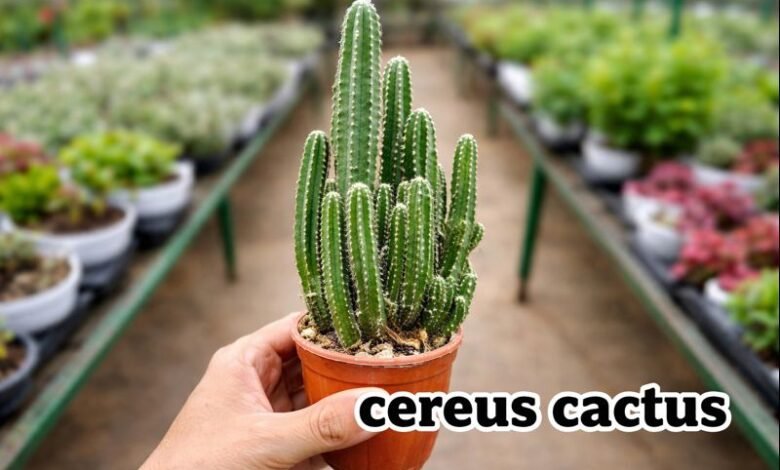
The Cereus cactus is a striking and unique plant that has captured the imagination of gardeners, plant enthusiasts, and even scientists for centuries. With its tall, column-like structure and gorgeous nocturnal blooms, it’s no wonder that this cactus has gained popularity in gardens and homes around the world. Whether you’re looking to add a statement piece to your space or dive deeper into the world of desert plants, understanding the cereus cactus is essential. This article will take you on a journey through the characteristics, care tips, and benefits of the cereus cactus, ensuring you have all the knowledge needed to grow and appreciate this captivating plant.
What is a Cereus Cactus?
The cereus cactus belongs to the genus Cereus, which is known for its tall, cylindrical, and often spiny structure. These cacti are native to the deserts of South America, particularly Brazil, and they thrive in dry, arid climates. The name “Cereus” comes from the Latin word for “torch,” which alludes to its upright and towering growth habit.
What sets the cereus cactus apart from other types of cacti is its impressive size, rapid growth, and large, fragrant blooms. Depending on the species, a cereus cactus can reach heights of up to 30 feet (9 meters) in the wild, although its growth will be slower in cultivated environments. Additionally, its flowers are an incredible sight to behold, opening at night and releasing a sweet fragrance that attracts pollinators such as bats and moths.
The Many Varieties of Cereus Cactus
While Cereus is a broad genus, several species stand out due to their beauty, size, and unique characteristics. Some of the most popular varieties include:
- Cereus peruvianus: Also known as the Peruvian torch cactus, this variety is one of the most widely grown due to its resilience and stunning, large white flowers. These plants are often used as ornamental pieces, either in gardens or as indoor plants. The Peruvian torch is also known for its mild psychoactive properties, although it is primarily grown for its ornamental value.
- Cereus repandus: Known for its large, white, fragrant flowers that bloom at night, this species is sometimes called the “night-blooming cereus.” Its flowers are typically around 6–10 inches in diameter and are highly prized by plant enthusiasts for their beauty.
- Cereus jamacaru: A species native to Brazil, this cactus is known for its height and impressive flowering habits. Cereus jamacaru is often referred to as the “queen of the night” because its flowers bloom only at night and are exceptionally fragrant.
Each variety of cereus cactus brings its own unique features, but all are admired for their resilience, beauty, and intriguing nocturnal flowers.
How to Care for Your Cereus Cactus
Caring for a cereus cactus is relatively simple, making it an ideal choice for beginner gardeners. Whether you are growing your cactus indoors or in the garden, here are a few tips to ensure it thrives:
- Light Requirements: Cereus cactus loves sunlight! It thrives in bright, direct sunlight and should receive at least six hours of sun per day. If you’re growing it indoors, place it near a south-facing window to provide adequate light. Inadequate sunlight may cause the plant to become leggy and weak.
- Soil: Like most cacti, cereus cactus requires well-draining soil to prevent root rot. A cactus-specific potting mix, or a blend of sand, perlite, and regular potting soil, will help ensure proper drainage.
- Watering: Cereus cactus is a drought-tolerant plant and can survive for long periods without water. The key to watering is to allow the soil to dry completely between waterings. During the growing season (spring and summer), water it every two weeks. In the dormant season (fall and winter), reduce watering to once a month or less.
- Temperature: As a desert plant, cereus cactus prefers warm temperatures. It thrives in environments ranging from 70°F to 100°F (21°C – 38°C). If you live in an area with cold winters, it’s best to bring your cactus indoors or grow it in a greenhouse.
- Fertilization: While cereus cactus doesn’t require heavy fertilization, a light feeding during the growing season (spring and summer) can help promote growth. Use a balanced, diluted fertilizer formulated for cacti once a month.
The Remarkable Blooms of Cereus Cactus
One of the most enchanting features of the cereus cactus is its flowers, which bloom primarily at night. These blooms are large, often white or light-colored, and emit a sweet fragrance that attracts nocturnal pollinators.
Unlike many other plants, the flowers of cereus cactus open in the evening and only last through the night. This ephemeral nature makes them even more special—once the sun rises, the flowers wilt and fade away. The short lifespan of the blooms has led to the plant’s nickname, “Queen of the Night.”
For gardeners, witnessing a cereus cactus flower is a rare and magical experience. The blooms are usually followed by the production of small fruits, which are sometimes edible. The flesh of the fruit is sweet and mild, similar to a dragon fruit, and it can be eaten fresh or used in smoothies and desserts.
Benefits and Uses of Cereus Cactus
Apart from its ornamental appeal, cereus cactus offers various practical benefits:
- Edible Fruit: Some species of cereus cactus, like Cereus peruvianus, produce edible fruits called pitayas or dragon fruit. These fruits are not only delicious but also packed with vitamins and antioxidants.
- Traditional Medicine: In traditional medicine, certain species of cereus cactus have been used for their purported healing properties. For example, extracts from Cereus peruvianus have been used to treat conditions such as fever and anxiety.
- Sustainability: Cereus cactus is a low-maintenance plant that thrives in poor, dry soils, making it a sustainable choice for xeriscaping—landscaping with drought-resistant plants.
Conclusion
The cereus cactus is a fascinating and versatile plant, perfect for anyone looking to add a unique touch to their garden or home. Whether you’re intrigued by its towering structure, its captivating nighttime blooms, or its minimal care requirements, there’s no denying the allure of this desert beauty. By understanding its care needs and appreciating its beauty, you can enjoy the cereus cactus for years to come.
For more gardening tips, plant care guides, and creative ideas, don’t forget to visit Techmagzin, where we share expert insights and inspiration to help you create the perfect green space.
FAQs
1. How do I get my cereus cactus to bloom?
To encourage blooming, make sure your cereus cactus receives at least six hours of direct sunlight each day. Additionally, avoid overwatering, as this can hinder flower production.
2. Can I grow cereus cactus indoors?
Yes, cereus cactus can be grown indoors as long as it receives ample sunlight. A south-facing window is ideal for providing the plant with enough light.
3. Is cereus cactus toxic to pets?
Cereus cactus is not considered highly toxic to pets, but the spines can cause irritation if they come into contact with your pet’s skin. It’s best to keep the plant out of reach.
4. How fast does cereus cactus grow?
Cereus cactus can grow rapidly under optimal conditions, especially in warm climates with plenty of sunlight. However, growth indoors may be slower due to less intense light.
5. What is the best way to propagate cereus cactus?
Cereus cactus can be propagated from cuttings. Simply cut a healthy stem, let it dry out for a few days, and then plant it in well-draining soil. Keep the soil slightly moist until the cutting establishes roots.
I hope this article provides you with all the information you need to care for and appreciate the cereus cactus! Feel free to explore more plant care guides and gardening tips on Techmagzin.