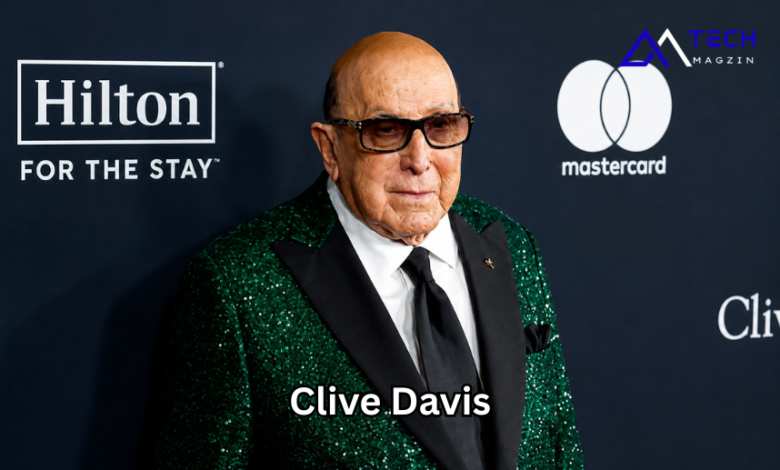
When people search for Clive Davis net worth 2025, they are usually trying to understand how one man could shape decades of global music history while also building a massive personal fortune. Clive Davis is not just a music executive—he is one of the most influential figures in the recording industry, responsible for discovering, developing, and guiding some of the biggest artists of all time.
From Whitney Houston to Alicia Keys, his decisions have changed the direction of popular music. But his financial success did not come from music performance—it came from strategy, leadership, and an unmatched ability to identify talent before the world notices it.
This article breaks down who Clive Davis is, how he built his wealth, what contributes to his net worth today, and why his influence still matters in 2025. You’ll also learn real industry insights about record deals, label power structures, and how executives like Davis earn long-term money in music. Instead of surface-level facts, this guide gives you a clear, human explanation of his career, fortune, and legacy.
Who Is Clive Davis?
Clive Davis is an American music executive, producer, and industry strategist known for transforming major record labels and launching iconic careers. He first rose to prominence in the late 1960s when he became president of Columbia Records, where he began shaping the sound of modern pop, rock, and soul.
What makes him unique is not just his executive role but his ear for talent. He has been involved in the rise of artists like Whitney Houston, Alicia Keys, Barry Manilow, Janis Joplin, and many others.
Unlike performers who earn money through touring or streaming royalties, Davis built his wealth through executive leadership, contracts, and ownership stakes in music businesses.
Clive Davis Net Worth 2025 Overview
As of 2025, Clive Davis net worth is estimated to be between $850 million and $900 million.
His wealth comes from multiple long-term revenue streams, including:
- Executive salaries from major record labels
- Equity and business ownership in music companies
- Royalties and rights management involvement
- Consulting and advisory roles
- Executive production credits on major projects
One of the most important things to understand is that Clive Davis’s fortune did not come from a single company. Instead, it was built over decades of continuous influence in multiple layers of the music industry.
How Clive Davis Built His Fortune
1. Columbia Records Era: The Foundation of Power
Clive Davis’s early career at Columbia Records was where everything began. As president, he reshaped the label’s direction and pushed it toward younger, more contemporary music.
Instead of relying on traditional orchestral or classical artists, he focused on:
- Rock bands
- Emerging singer-songwriters
- Cross-genre talent
This shift dramatically increased record sales and made Columbia more competitive. His leadership success led to high executive compensation and long-term industry credibility.
2. Arista Records: The Game-Changer
After leaving Columbia, Davis founded Arista Records in 1974. This was one of the most important moments in his career.
Arista became a powerhouse label and later signed Whitney Houston, one of the best-selling artists of all time.
Key impact of Arista:
- Massive global album sales
- Long-term royalties from superstar artists
- Expansion into pop, R&B, and soul markets
- Strong licensing and publishing deals
This phase is where much of his long-term wealth accumulation began.
3. Strategic Artist Development Model
Unlike many executives, Davis was deeply involved in shaping artists’ careers. He didn’t just sign talent—he guided branding, song selection, and production direction.
This approach created long-term financial benefits because:
- Artists stayed longer with labels
- Albums had higher commercial success
- Catalog value increased over time
Unique Insight #1:
Clive Davis’s real financial advantage came from catalog longevity strategy. Instead of chasing short-term hits, he focused on artists whose music would generate revenue for decades through re-releases, licensing, and digital streaming.
Record Labels and Business Influence
Clive Davis has been associated with several major music institutions:
- Columbia Records (early leadership role)
- Arista Records (founder)
- J Records (later career expansion)
- RCA Music Group (integration phase)
Each of these roles contributed differently to his income, but the most important factor was influence over contracts and artist development pipelines.
His ability to transition between companies without losing industry power is rare. Most executives peak once; Davis maintained relevance across multiple generations of music.
Clive Davis and Whitney Houston
One of the most defining relationships in his career was with Whitney Houston.
He discovered and signed her early in her career and helped shape her debut album, which became one of the most successful debut albums in music history.
Financial impact:
- Massive global album sales
- Long-term catalog royalties
- Branding and licensing value increase
But beyond money, this relationship strengthened Davis’s reputation as a “hit-maker,” which increased his demand across the industry.
Unique Insight #2:
Clive Davis understood early that vocal identity branding—not just songs—creates financial longevity. He positioned Whitney Houston not just as a singer, but as a global vocal standard, which increased replay value across decades.
Clive Davis and Modern Artists (Including Diddy Era)
Clive Davis also played a key role in bridging older record label systems with modern hip-hop and R&B business models.
He has been associated professionally with artists like Sean “Diddy” Combs through industry collaborations and label intersections.
His influence in modern music is less about direct production today and more about mentorship, advisory roles, and legacy brand power.
Age, Life Status, and Career Longevity
Clive Davis was born in 1932, making him over 90 years old in 2025. Despite his age, he has remained active in the music industry through advisory work and appearances.
Is Clive Davis still alive?
Yes, Clive Davis is still alive and continues to participate in music industry events and discussions.
His longevity in both life and career is one of the reasons his net worth remains stable and growing.
Clive Davis Net Worth Breakdown (How the Money Works)
Unlike celebrities, his wealth structure is complex:
1. Music Catalog Influence
Indirect earnings from artists he developed.
2. Executive Compensation
Salaries and bonuses during leadership roles.
3. Equity Value
Ownership stakes in music companies and subsidiaries.
4. Consulting Power
High-level advisory fees in entertainment companies.
5. Intellectual Industry Value
Although not a direct “asset,” his decisions influence billions in music revenue globally.
Common Misconceptions About Clive Davis Wealth
Many people assume his wealth comes from owning songs or performing royalties. That is not the case.
Instead:
- He earns through leadership and business structure
- His influence increases others’ earnings, which strengthens his value
- His compensation is tied to executive roles, not music performance
Is Clive Davis Jewish, Gay, or What Is His Background?
Clive Davis’s personal background has been publicly discussed over the years, including his ethnicity, religion, and personal life. However, these aspects are separate from his professional achievements and are often presented differently depending on biographies and interviews.
What matters most in understanding his career is not personal labels, but his decades-long influence on shaping global music culture.
Unique Industry Insights (Rarely Discussed)
Insight #3: The “Quiet Power Executive” Model
Clive Davis represents a rare type of music executive who does not rely on public branding. Instead, he builds influence behind the scenes, allowing artists to become the face while he remains the strategic architect.
Insight #4: Catalog Compounding Effect
His career shows that in music, early decisions about artist signing create “compounding financial effects” that can last 30–50 years through streaming platforms.
Insight #5: Cross-Generational Talent Mapping
Davis had a unique ability to identify how different generations would respond to evolving music styles—this allowed him to keep his labels profitable across multiple eras.
FAQ
1. What is Clive Davis net worth in 2025?
Clive Davis’s net worth in 2025 is estimated between $850 million and $900 million, built through decades in the music industry.
2. What record labels did Clive Davis found or lead?
He is best known for Arista Records and also worked with Columbia Records and J Records during his career.
3. How did Clive Davis make his money?
He made his money through executive leadership roles, music business ownership, consulting, and long-term industry influence.
4. Is Clive Davis still active in the music industry?
Yes, even in his 90s, he remains active in advisory and industry events.
5. Why is Clive Davis important in music history?
He discovered and shaped the careers of major global artists and helped redefine modern pop and R&B music development.
6. Did Clive Davis work with Whitney Houston?
Yes, he discovered and signed Whitney Houston and played a major role in her early career success.
Conclusion
Clive Davis’s story is not just about net worth in 2025, but about how influence, timing, and talent recognition can create a legacy that lasts for decades. His fortune reflects a lifetime of strategic decisions in the music industry rather than traditional celebrity income.
What makes him truly unique is not just the artists he worked with, but the system he built—one that continues shaping music even today. His career proves that behind every global superstar, there is often a visionary quietly shaping the path forward.